Nutritionist - Life and Wellness Coach -
Beautician - Skin Specialist - Massage Therapist
| Posted on January 14, 2018 at 7:20 PM |
Each person has up to 2kg of microbes in their digestive tract and together these microbes make up the gut microbiome. The microbes, which include trillions of bacteria collectively contain at least 100 times as many genes as you do. The bacterial DNA in your gut outnumbers your own DNA by 100 times. You have about 20,000 genes, but there are 2,000,000 (or more) bacterial genes! They help the body produce certain vitamins and amino acids and play a significant role in digestive and immune and mental health.
Several recent experiments with “faecal transfers” from humans to mice revealed that healthy mice could be made obese by transferring faecal matter, teeming with gut microbes, from obese humans. The research team also found that transferring faecal matter from lean humans prevented mice from putting on weight. Changes observed in obese individuals can result from an intake of inflammatory omega 6s and not enough anti-inflammatory omega 3s. Unhealthy microbes produce toxins called lipopolysacchardies (LPS) that trigger inflammation, insulin resistance or pre-diabetes and therefore, promote weight gain.
Chronic stress and lack of sleep and also contribute to gut imbalance. In fact, your gut flora listens to and becomes influenced by your thoughts and feelings. So be sure to get 7 to 8 hours of quality sleep and remember to practice your favourite stress reduction activities daily.
Each person’s microbiome is unique, which means each of us responds differently to carbohydrates and fats and sugar. An imbalance of gut flora stops our digestive system from working properly so our use of calories isn’t as efficient and our energy levels drop. The increased fatigue means the fat-storing stress hormone cortisol kicks in, leading to heightened blood sugar and insulin levels. Basically, weight gain is inevitable when there’s an imbalance of good and bad bacteria in our guts. Your gut craves variety.
So what can we do? For anyone looking to lose weight and restore gut health these tips can help.
1) Eat a variety of different whole foods
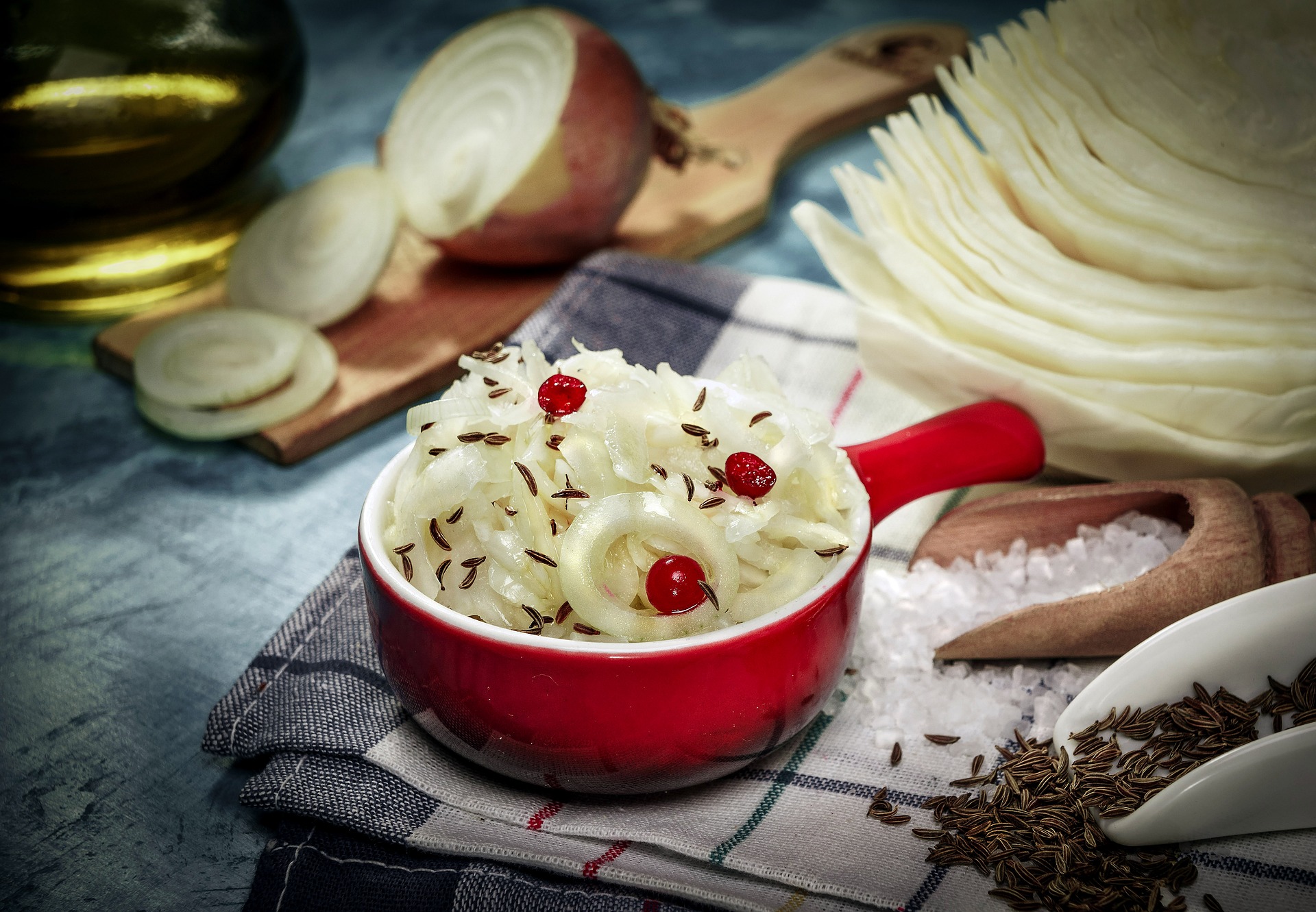
2) Eat fermented foods daily
3) Cut back on refined sugar and alcohol
4) Eat fibre rich foods with every meal
5) Follow a mostly plant based diet
| Posted on January 5, 2018 at 1:10 AM |
 comments (876)
|
Easy and Healthy New Year Habits to incorporate into your routine today!
1. Improve digestive health - with Apple Cider Vinegar: Add a table spoon to a glass of warm water each morning before breakfast to reduce gas and bloating and reduce constipation. If apple cider isn’t your thing, try a half a lemon instead.
2. Feel happier - By practising Gratitude: Start a daily gratitude journal. Studies have shown this daily practise can increase life satisfaction, boost your mood and even help you sleep. Gratitude helps people relish good experiences, improve their health, deal with adversity, and build strong relationships.
3. Drink more water - By setting reminders on your phone: Handy reminders and apps now exists to help you stay on top of your hydration levels. Staying hydrated results in improved energy, concentration and skin health. So get sipping.
4. Improve your posture - By stretching on your lunch break: Increased flexibility will help improve poor posture. Aim to set aside 5 minutes on your lunch break to get those muscles stretching. So what exactly is good posture? Yes, your teachers or parents probably told you to 'sit up straight' all the time, but proper posture also includes an opened chest and lengthened spine, which should help your body feel taller and breathe easier.
5. Eat more vegetables - By including veggies with breakfast: A great way to boost your veggie intake is to start your day with a big helping of assorted vegetables. Try vegetable fritters, sautéed mushrooms, steamed spinach, grilled asparagus, tofu scramble with capsicum and broccoli or a kale and zucchini slice.

Â
| Posted on February 11, 2017 at 11:55 PM |
comments (390)
|
What are Xenoestrogens?
“Xeno” literally means foreign. Therefore xenoestrogen translates to mean foreign oestrogens. They are also called “environmental hormones” or endocrine disrupting compounds (EDC).
How Do They Work?
By binding to and disrupting hormone receptors, including oestrogen, androgen, progesterone and thyroid receptors. Leading to an imbalance in normal hormone levels. Evidence is steadily growing that they are responsible for a wide range of human health problems
Where are they found?
Pesticides used on cereals, fruits, vegetables, meat, dairy products and eggs. Cosmetics such as nail polish and sun creams, body lotion, moisturisers, shaving foams, tanning lotions, deodorants, tooth paste, soap, gels and hair sprays may contain xenoestrogens in the form of parabens and phenoxyethanol. Plastics especially soft plastic, contain phthalates which can leach out in response to heat. Phthalates are used in food storage containers, children’s toys and clothing. Bisphenol-A (BPA) is a chemical plasticiser used in the lining of food cans and juice containers, to avoid metallic taste.
Household cleaners such as laundry detergents and fabric softeners often leave residues on clothing, towels and other items worn against the skin. Air fresheners and insect repellents are also major sources. Teflon nonstick kitchen wares uses Perfluorooctanoic acid (PFOA). Birth control pills contain a synthetic oestrogen and progestin.
How To Avoid Them?
Eat organic foods as often as possible. Wash your food well to get rid of pesticides. Do not heat food or water with plastic containers in the microwave. Use glass or ceramics. Do not leave plastic containers especially with drinking water in the sun. Avoid teflon and other nonstick cookware instead use cast iron. Minimize consumption of food from tin cans. Over 85% of tin cans are lined with BPA that leaches when exposed to heat. Don’t drink from Styrofoam cups and containers.
Use organic soaps and tooth paste. Avoid shampoos, creams, sun screen lotions and cosmetic that has parabens, switch to more natural products. Use only naturally based perfumes. Most perfumes are petrochemically based. Use old-fashioned household cleaners like baking soda and vinegar. Ventilate your house frequently; avoid use of air fresheners and insecticides that release chemicals into the air.
| Posted on November 5, 2016 at 1:00 AM |
comments (368)
|
Introduction:
Rheumatoid arthritis (RA) is a chronic, progressive disease which causes inflammation in the joints, resulting in reduced mobility and painful deformities. The exact cause is still unknown but genetic and environmental factors are thought to contribute. The inflammation and production of pro-inflammatory cytokines causes the synovium, which lines the inside of joints, to thicken, especially in the wrists, fingers, feet, and ankles. Over time, the cartilage and elastic tissue that covers the end of bones can also become damaged due to antigen-activated CD4+ T cells which amplify the immune response. This leads to an increased destruction of bone by synoviocytes, causing joints to become unstable and painful.
Standard treatment for patients with RA include non-steroidal anti-inflammatory drugs (NSAIDs). NSAIDs work by inhibiting the activity of cyclooxygenase (COX) enzymes involved in prostaglandin (PG) synthesis. The decreased production of PGs reduces the pain experienced in RA. Common side effects experienced with prolonged use include gastrointestinal bleeding and ulcer formation. Finding an alternative intervention which provides the same benefits without the harmful side effects would be of great benefit.
There are several things that can be done from a nutritional perspective to help reduce the signs and symptoms of RA.
Treatment aims include:
These aims can be achieved with the following remedies:
Probiotics: Lactobacillus casei
Supplementation with L. casei in human randomised control trials has shown to be effective for reducing the number of tender and swollen joints, reducing swelling and inflammation and improving joint range of movement in patients with RA (Alipour et al. 2014, p.519). This may be due to its action of down regulating Th1 effector functions and pro-inflammatory cytokines such as IL-6 and TNF-α (Alipour et al. 2014, p.519). Supplementing with 108CFU/day has been shown to be an effective dose (Vaghef-Mehrabany et al. 2013, p.430).
Turmeric:
Curcumin is the active component of the common spice turmeric. It employs a wide range of actions by modulating numerous signalling pathways and transcription factors (Park et al. 2007, p.365). Curcumin demonstrates effective anti-inflammatory activity by inhibiting several mediators of the inflammatory response such as chemokines, cytokines, growth factors and adhesion molecules as well as the NF-kB pathway (Chandran & Goel 2012, p.1719). Enzymes involved in eicosanoid production, such as cyclooxygenase-2, are also reduced leading to decreased levels of pro-inflammatory agents (Park et al. 2007, p.365). A randomised, single-blinded, pilot study with 45 participants found that patients with RA who took 500 mg of curcumin for 8 weeks had reduced levels of inflammation (Chandran & Goel 2012, p.1719).
Vitamin D:
Modulating the immune system is helpful in autoimmune conditions such as RA. Vitamin D modulates the adaptive immune system by directly affecting the activation of T lymphocytes and B lymphocytes and the functioning of antigen-presenting cells (ACPs) such as dendritic cells (DCs) (Kamen & Tangpricha 2010, p.441). Each of these immune cells express vitamin D receptors (VDRs) which produce enzymes capable of manufacturing active 1,25(OH)2D (Prietl et al. 2013, p.2502). Upon exposure to vitamin D, a shift from a pro-inflammatory to a more tolerant immune status occurs (Kamen & Tangpricha 2010, p.441).
Calcitriol suppresses T helper (Th) cell proliferation and differentiation and modulates their cytokine production, particularly IL-2, interferon-γ and TNF-α (Prietl et al. 2013, p.2502). Calcitriol also promotes the production of more anti-inflammatory Th2 cytokines. Th17 cells which produce IL-17 appear to play a major role in autoimmune conditions and are also affected by vitamin D (Prietl et al. 2013, p.2502). Figure 2 below demonstrates various different roles vitamin D plays in immune function.
Plant Based Diets:
A plant based diet is high in whole grains, beans and legumes and also in fruits and vegetables. Fruits and vegetables are a great source of nutrients and phytochemicals needed for a healthy skeletal system. Vitamin C is crucial for collagen formation and is anti-inflammatory (Lister et al. 2007, p.69). A single blinded dietary intervention study looked at the effect of a low fat vegan diet on patients with RA and found that it significantly improved all symptom measures (McDougall et al. 2002, p.71). The standard Australian diet is high in meat products which are also high in arachidonic acid (AA) (Adam et al. 2003, p.27). Patients with RA may improve on a vegan diet due to the reduction in AA and pro-inflammatory cytokines (Adam et al. 2003, p.27). Hafstrom et al. suggest an additional theory, they propose that vegan diets benefit patients with RA due to a reduction in immune reactivity to food antigens (2001, p.1175).
Exercise
There are many benefits of physical exercise in patients with RA including increased muscle mass, increased strength and improved physical functioning and joint mobility (Cooney et al. 2011, p.3). Exercise doesn’t appear to exacerbate the disease or contribute to joint damage. Physical activity causes changes in levels of antibodies and WBCs which then circulate more rapidly around the body (Walsh et al. 2011, p.17). Increases in NK cells and dendritic cells help fight off infections. Exercise can also increase sleep by improving circadian rhythms and thermoregulation which is important for sleep quality (Durcan et al. 2014, p.1969).
Summery:
RA is a chronic condition so treatment interventions will be required long term. All recommendations discussed above have a good safety profile and are based on human trials in participants with active RA. Adopting a plant based diet may prove challenging at first, so guidance and support will be crucial. Monitoring progress with regular consultations with a qulaified nutritionist is recommended.
References:
Alipour, B, Homayouni-Rad, A, Vaghef-Mahrabony, E, Sharif, S, Vaghef-Mahrabony, L, Asghari-Jafarabadi, M & Mohtadi-Nia, J 2014,’Effects of Lactobacillus casei supplementation on disease activity and inflammatory cytokines in rheumatois arthritis patients: a randomised double-blind clinical trial, International Journal of Rheumatic Disease, vol.17, no.5, pp.519-527, viewed 22 April 2016, <https//www.ncbi.nlm.nih.gov/pubmed>.
Chandran, B & Goel, A 2012, ‘A randomised, pilot study to assess the efficacy and safety of curcumin in patients with active rheumatoid arthritis’, Phytotherapy Research, vol.26, no.11, pp.1719-1725, viewed 24 April 2016, <https//www.ncbi.nlm.nih.gov/pubmed>.
Choy, E 2012, ‘Understanding the dynamics: pathways involved in the pathogenesis of rheumatoid arthritis’, Rheumatology, vol.51, no.5, pp.3-11, viewed 22 April 2016, <https//www.ncbi.nlm.nih.gov/pubmed>.
Cooney, J, Law, R, Matschke, V, Lemmey, A, Moore, J, Ahmad, Y, Jones, J, Maddison, P & Thom, J 2011, ‘Benefits of exercise in rheumatoid arthritis’ Journal of Aging Research, vol.2011, pp.1-14, viewed 26 April 2016, <https//www.ncbi.nlm.nih.gov/pubmed>.
Davignon, J, Hayder, M, Baron, M, Boyer, J, Constantin, A, Apparailly, F, Poupot, R & Cantagrel, A 2013, ‘Targeting monocytes/macrophages in the treatment of rheumatoid arthritis’, Rheumatology, vol.52, no.4, pp.590-598, viewed 22 April 2016, <https//www.ncbi.nlm.nih.gov/pubmed>.
Durcan, L, Wilson, F & Cunnane, G 2014, ‘The effect of exercise on sleep and fatigue in rheumatoid arthritis: a randomised controlled study’, The Journal of rheumatology, vol.41, no.10, pp.1966-1973, viewed 22 April 2016, <https//www.ncbi.nlm.nih.gov/pubmed>.
Hafström, I, Ringertz, B, Spångberg, A, Von Zweigbergk, L, Brannemark, S, Nylander, I, Rönnelid, J, Laasonen, L & Klareskog, L 2001, ‘A vegan diet free of gluten improves the signs and symptoms of rheumatoid arthritis: the effects on arthritis correlate with a reduction in antibodies to food antigens’, Rheumatology, vol.40, no.10, pp.1175-1179, viewed 26 April 2016, <https//www.ncbi.nlm.nih.gov/pubmed>.
Kamen, D & Tangpricha, V 2010, ‘Vitamin D and molecular actions on the immune system: modulation of innate and autoimmunity; Journal of molecular medicine, vol.88, no.5, pp.441-450, viewed 22 April 2016, <https//www.ncbi.nlm.nih.gov/pubmed>.
Lister, C, Skinner, M & Hunter, D 2007, ‘Fruits, vegetables and their phytochemicals for bone and joint health’, Current Topics in Nutraceutical Research, vol.5, no.2, pp.67-82, viewed 22 April 2016, <https//www.ncbi.nlm.nih.gov/pubmed>.
Matcham, F, Scott, I, Rayner, L, Hotopf, M, Kingsley, G, Norton, S, Scott, D & Steer, S 2014, ‘The impact of rheumatoid arthritis on quality-of-life assessed using the SF-36: A systematic review and meta-analysis’, Seminars in Arthritis and Rheumatism, vol.44, no.2, pp.123-130, viewed 22 April 2016, <https//www.ncbi.nlm.nih.gov/pubmed>.
McDougall, J, Bruce, B, Spiller, G, Westerdahl, J & McDougall, M 2002, ‘Effects of a very low-fat, vegan diet in subjects with rheumatoid arthritis’, The Journal of Alternative & Complementary Medicine, vol.8, no.1, pp.71-75, viewed 26 April 2016, <https//www.ncbi.nlm.nih.gov/pubmed>.
Park, C, Moon, D, Choi, I, Choi, B, Nam, T, Rhu, C, Kwon, T, Lee, W, Kim, G & Choi, Y 2007, ‘Curcumin induces apoptosis and inhibits prostaglandin E2 production in synovial fibroblasts of patients with rheumatoid arthritis’, International journal of molecular medicine, vol.20, no.3, pp.365-372, viewed 24 April 2016, <https//www.ncbi.nlm.nih.gov/pubmed>.
Peuhkuri, K, Sihvola, N & Korpela, R 2012, ‘Diet promotes sleep duration and quality’, Nutrition Research, vol.32, no.5, pp.309-319, viewed 22 April 2016, <https//www.ncbi.nlm.nih.gov/pubmed>.
Prietl, B, Treiber, G, Pieber, T & Amrein, K 2013, ‘Vitamin D and immune function’, Nutrients, vol.5, no.7, pp.2502-2521, viewed 24 April 2016, <https//www.ncbi.nlm.nih.gov/pubmed>.
So, J, Lee, C, Kwon, H, Yi, H, Chae, C, Park, J, Hwang, K & Im, S 2008, ‘Lactobacillus casei potentiates induction of oral tolerance in experimental arthritis’, Molecular Immunology, vol.46, no.1, pp.172-180, viewed 26 April 2016, <https//www.ncbi.nlm.nih.gov/pubmed>.
Vaghef-Mahrabony, E, Alipour, B, Homayouni-Rad, A, Sharif, S, Asghari-Jafarabadi, M & Zavvari, S 2013, ‘Probiotic supplementation improves inflammatory status in patients with rheumatoid arthritis’, Nutrition, vol.30, no.4, pp.430-435, viewed 22 April 2016, <https//www.ncbi.nlm.nih.gov/pubmed>.
